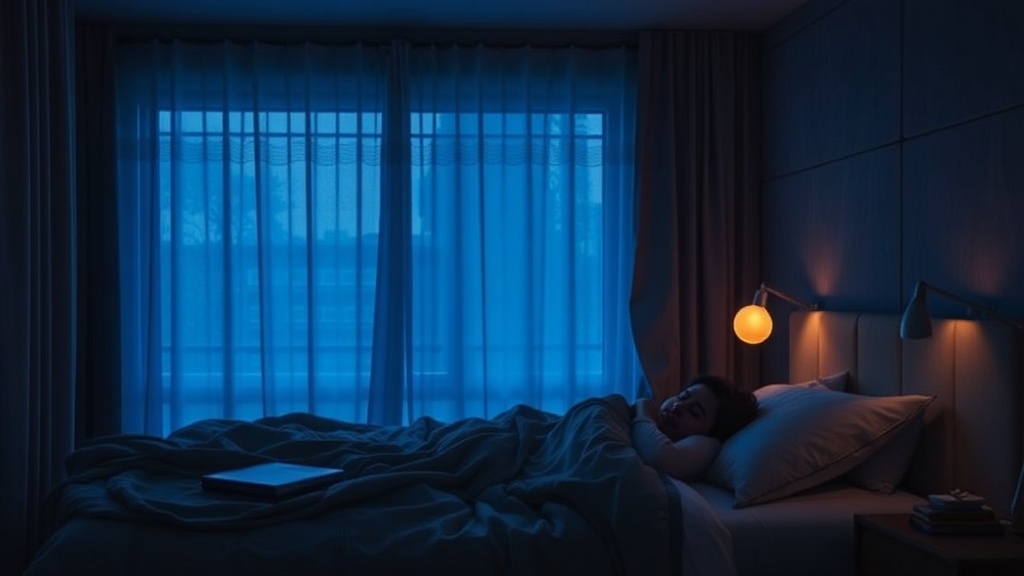
Restorative Sleep Through Sensory Deprivation and Darkening

The biological reality of light-induced sleep disruption
The human brain is hardwired to respond to light; even a tiny amount of blue light hitting the retina can suppress melatonin production by up to 50% in some individuals. This isn't just about being a light sleeper—it's about the biochemical signaling that tells your body whether it's time to be awake or time to recover. When your environment is cluttered with light, your circadian rhythm gets confused, leading to fragmented rest and that heavy, unrefreshing feeling in the morning. This post looks at how we can manipulate our immediate surroundings to support deeper, more uninterrupted sleep cycles.
Most people assume that sleep quality is purely about how many hours they spend in bed. It isn't. It's about the quality of the darkness. If your brain is processing even a flicker of light from a standby light on a monitor or a streetlamp through a thin curtain, your nervous system stays on low-level alert. We're diving into the mechanics of a dark-room environment and how to build a sanctuary that actually works for your biology.
Does a dark room actually improve sleep quality?
Yes, and the reason is physiological. Darkness triggers the pineal gland to release melatonin, the hormone responsible for sleep onset and regulation. Without a significant drop in light exposure, your brain remains in a state of physiological readiness. Studies from organizations like the Sleep Foundation show that consistent darkness helps stabilize the circadian rhythm, making it easier to fall asleep and stay asleep throughout the night.
To get this right, you can't just dim the lights for ten minutes. You need a protocol. This starts long before your head hits the pillow. It involves reducing light exposure in the hours leading up to bed and ensuring your sleeping space is a void of light. This might mean using blackout curtains, heavy drapes, or even a high-quality sleep mask. It sounds simple, but the difference in how deep your REM cycles feel is often significant.
Common light culprits in the bedroom
- Electronics: The tiny red or blue lights on chargers and power strips.
- Window gaps: Light leaking through the edges of curtains.
- Digital devices: Blue light from smartphones that mimics daylight.
- Hallway leaks: Light from the bathroom or kitchen during the night.
If you find yourself waking up at 3:00 AM, look at your environment. Is there a sliver of light hitting your face? A small change, like a piece of black electrical tape over a bright LED light on a smoke detector, can actually change your sleep architecture. It's about removing the distractions that your subconscious mind is still tracking while you sleep.
How can I reduce blue light exposure before bed?
Blue light is a high-energy visible light that is particularly effective at suppressing melatonin. It’s the culprit behind the "wired but tired" feeling. To mitigate this, you should aim for a digital sunset. This means turning off screens or at least using software that shifts the color temperature of your devices to the warmer end of the spectrum. Most modern smartphones and laptops have a "Night Shift" or "Night Mode" built-in, which is a good start, but it's not a total fix.
A better approach involves changing your physical activities in the hour before sleep. Instead of scrolling through a feed, try reading a physical book or listening to an audiobook. This moves your focus from a high-stimulation, light-emitting device to a low-stimulation, non-emissive activity. This transition period allows your brain to begin the wind-down process naturally, rather than forcing it to crash after a dopamine-heavy session of digital consumption.
Can sensory deprivation help with deep sleep?
Sensory deprivation isn't just for high-end wellness spas; it's a concept you can apply to your nightly routine. By reducing the amount of information your senses are processing—light, sound, and even temperature—you allow your nervous system to move from a sympathetic (fight or flight) state into a parasympathetic (rest and digest) state. This shift is where deep, restorative sleep actually happens.
Consider the impact of sound as well. While some people find white noise helpful, others find that a truly quiet environment is better for long-term sleep stability. If you live in a noisy area, tools like earplugs or high-fidelity earplugs can be a breakthrough. The goal is to create a controlled environment where the external world cannot reach you. When you minimize the sensory input, you provide your brain with the permission it needs to let go of consciousness.
Think of your bedroom as a recovery chamber. Every light, every noise, and every temperature fluctuation is a piece of data your brain has to process. By minimizing these inputs, you are essentially lowering the cognitive load on your brain during the night. This is why a dedicated, dark, and quiet space is so much more effective than just any room in the house. It's about creating a space that is specialized for one single purpose: rest.
If you're struggling with sleep, don't just look at your caffeine intake or your stress levels. Look at your light. Look at your windows. Look at the small glowing lights on your desk. A thorough audit of your light exposure can reveal why you're waking up exhausted. It's often the smallest details that make the biggest impact on your ability to recover.