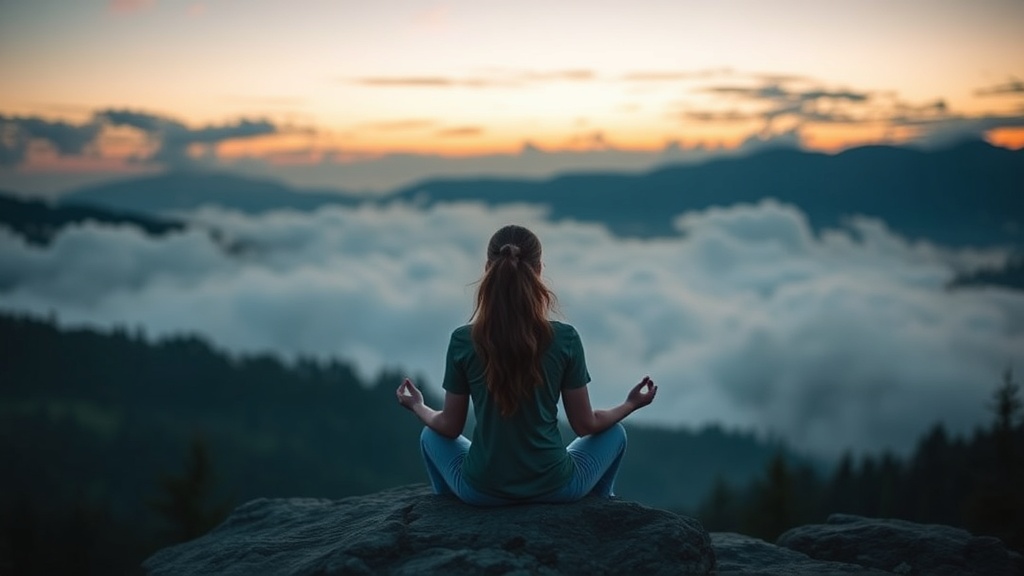
How to Build a Lasting Morning Meditation Practice

What This Guide Covers (And Why It Matters)
This guide walks through the exact steps for building a morning meditation practice that actually sticks — from choosing the right technique to handling days when motivation vanishes. A consistent morning routine trains the nervous system before the day's chaos begins, lowering cortisol levels and improving focus within just two weeks of regular practice. Whether you're a complete beginner or someone who's started (and quit) meditation multiple times, the strategies here address real obstacles — not just ideal scenarios.
Why Meditate in the Morning Specifically?
Morning meditation capitalizes on the brain's natural cortisol awakening response — that gentle surge of alertness that happens 30–45 minutes after waking. Practicing during this window anchors calm into the nervous system before emails, meetings, and notifications hijack attention. Research from Johns Hopkins Medicine shows that consistent morning practice reduces anxiety symptoms more effectively than evening sessions for many people.
The mind is quieter then. You've not yet accumulated the day's mental debris — no arguments to replay, no deadlines looming. That said, "quiet" is relative. Thoughts still surface. The difference? You're not already stressed when they arrive.
Physiological benefits compound too. Blood pressure readings tend to be most accurate in the morning, and meditation during this window can help establish healthier baseline patterns throughout the day. Studies published in JAMA Internal Medicine found that participants who meditated before 8 a.m. reported better sleep quality and less daytime fatigue compared to evening practitioners.
How Long Should a Morning Meditation Session Be?
Start with five minutes. Not twenty. Not thirty. Five. The biggest mistake beginners make — overcommitting, burning out, then abandoning the practice entirely. A five-minute session completed daily beats a thirty-minute session completed never.
Here's the thing: duration matters less than consistency. Research from Harvard Health Publishing indicates that even brief daily practice changes brain structure over time — specifically in areas linked to attention and emotional regulation.
Progress gradually using this framework:
| Week | Duration | Focus |
|---|---|---|
| 1–2 | 5 minutes | Simply showing up — no performance pressure |
| 3–4 | 7–8 minutes | Extending the sit comfortably |
| 5–6 | 10 minutes | Deepening concentration |
| 7+ | 10–20 minutes | Finding your sustainable sweet spot |
Some experienced practitioners sit for forty-five minutes or longer. That's not the goal here. Build the habit first. The time will expand naturally — or it won't, and five to ten minutes remains perfectly valid for life.
What Are the Best Techniques for Morning Practice?
Breath-focused attention works best for mornings — simple, portable, and effective without requiring apps or special equipment. The technique: sit comfortably, close your eyes, and rest attention on the physical sensation of breathing at the nostrils or belly. When the mind wanders (it will), notice this without judgment, then return to the breath.
Three primary techniques dominate morning routines:
- Mindfulness of breath: Best for beginners — anchors attention to a single, ever-present sensation.
- Body scan: Useful for those who wake tense — systematically moves attention through physical sensations from toes to head.
- Loving-kindness (metta): Effective for those facing difficult days — generates warm feelings toward self and others through specific phrases.
The catch? There's no universally "best" technique. Try each for a week. Notice what fits your morning temperament. Some people need the structure of a guided session — apps like Headspace or Insight Timer offer excellent morning-specific content. Others find voice guidance distracting and prefer silent practice with a simple timer like Insight Timer's free bell function.
Worth noting: many practitioners alternate techniques based on energy levels. High anxiety mornings might call for body scans. Low motivation mornings benefit from guided support. Rigid adherence to one method isn't required — consistency of practice matters more than consistency of technique.
How Do You Meditate When You Don't Feel Like It?
Sit anyway — but make it shorter. A two-minute session counts. Showing up imperfectly preserves the habit chain; skipping "just this once" often breaks it. Behavioral research consistently shows that missing one day has minimal impact, but missing two consecutive days dramatically increases dropout rates.
Practical strategies for low-motivation mornings:
- Prepare the night before: Set out a cushion, chair, or meditation bench in a dedicated spot. Remove all friction from starting.
- Use the "just one breath" trick: Commit to one conscious breath. That's it. Usually, you'll continue. If not, you've still practiced.
- Lower the bar temporarily: Five minutes feels overwhelming? Try two. One minute of genuine attention surpasses twenty minutes of distracted clock-watching.
- Track streaks lightly: Apps like Streaks or a simple paper calendar can provide visual momentum — but don't let breaking a streak derail you permanently.
Some mornings will feel wasted. The mind races. You check the clock every thirty seconds. That's normal. Meditation isn't about achieving special states — it's about training the attention muscle through repetition. Difficult sessions build capacity just as effectively (sometimes more so) than peaceful ones.
The Role of Environment
Where you sit shapes whether you'll return tomorrow. A dedicated space isn't mandatory — many practitioners meditate in bed or at kitchen tables — but certain elements increase consistency:
- Consistent location: The brain begins associating this spot with practice, triggering calmer states automatically.
- Minimal distractions: Phones in another room or on airplane mode. No exceptions.
- Comfortable temperature: Being cold destroys focus faster than almost anything else.
For those in Halifax (or similarly variable climates), morning temperatures fluctuate dramatically by season. A small space heater near your meditation spot — the Lasko Ceramic Portable Space Heater works well and shuts off automatically — eliminates the "it's too cold" excuse that derails winter practice.
Timing Within Your Morning Routine
The exact placement matters. Meditating immediately upon waking risks falling back asleep. Meditating after checking email defeats the purpose entirely.
Optimal sequence for most people:
- Wake and use the bathroom
- Drink water (rehydration improves alertness)
- Move slightly — stretch, walk to the kitchen, open curtains
- Sit for meditation
- Proceed with morning routine
This takes advantage of natural awakening without requiring full wakefulness. Coffee or tea can wait — caffeine before meditation often amplifies restlessness rather than clarity.
What Mistakes Cause Morning Meditation to Fail?
Unrealistic expectations destroy more meditation practices than any other factor — specifically, expecting immediate calm or judging sessions as "good" or "bad" based on how they feel. A session filled with wandering thoughts isn't failure; noticing the wandering is the practice.
Other common pitfalls:
- Waiting for motivation: Motivation is unreliable. Build systems — same time, same place, minimal decisions — instead.
- Over-complicating technique: Advanced practices appeal to the intellect, but basic breath attention sustains longer than complex visualizations.
- Ignoring physical discomfort: Numb legs, back pain, or cold distract completely. Invest in proper support — a Zafu meditation cushion or simple firm pillow raises the hips, reducing knee and back strain.
- Practicing inconsistently: Sporadic "when I feel like it" practice never builds the neural pathways that make meditation automatic.
That said, some experimentation helps. If breath focus feels impossible after two weeks of genuine effort, try a guided body scan. If morning timing consistently fails, afternoon might work better — though the specific benefits of morning practice (setting neural tone for the day) won't fully transfer.
How Long Until Morning Meditation Becomes Automatic?
Research suggests habit formation averages 66 days — not the commonly cited 21 — though individual variation ranges from 18 to 254 days. Morning meditation often establishes faster than evening practice because environmental cues (waking, sunrise, morning routines) are more consistent than evening variables.
Signs the habit is forming:
- Missing a session feels noticeably worse — not guilty, but physically off
- The practice requires less "starting energy" — sitting happens without internal debate
- Benefits become apparent in daily life — less reactivity, better focus, improved sleep
The Mindful.org guide to building practice emphasizes that habits solidify through context consistency — same place, same time, same preliminary actions — more than through willpower or motivation.
Tracking Progress Without Obsession
Simple logging helps. Note the date, duration, and one word describing the session's quality (scattered, calm, sleepy, clear). This creates evidence of continuity without encouraging performance anxiety. Apps like Insight Timer track automatically; a small notebook works equally well.
Avoid detailed journaling immediately post-session — it interrupts the practice's residue, pulling the mind back into analytical mode before integration occurs. Wait until later in the day if reflection feels necessary.
"Meditation is not about stopping thoughts — that's impossible. It's about changing your relationship to them." — Jon Kabat-Zinn
Building a lasting morning meditation practice isn't dramatic. No transformation arrives overnight. Small sessions, repeated daily, gradually rewire attention patterns until presence becomes the default rather than the exception. The practice becomes something you do — like brushing teeth — not because you always want to, but because not doing it feels wrong.
Start tomorrow. Five minutes. Same spot. No expectations beyond showing up.
Steps
- 1
Choose a consistent time and quiet space for your practice
- 2
Start with just 5 minutes and focus on your breath
- 3
Gradually increase duration and explore guided meditations