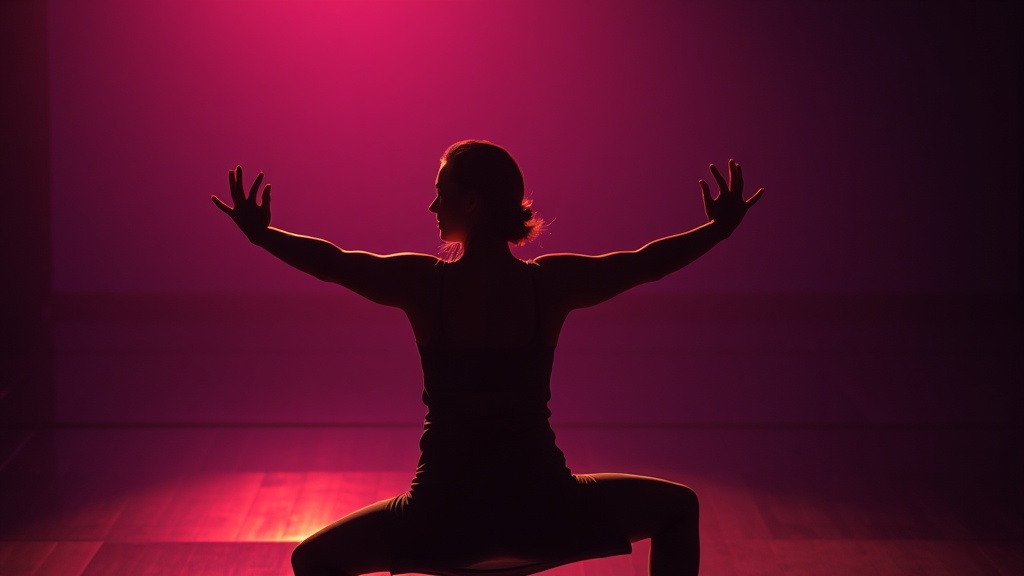
Cultivating Presence Through Mindful Movement

Most people assume that mindfulness requires sitting perfectly still in a quiet room, but that's a fundamental misunderstanding of what presence actually means. True mindfulness isn't just about stillness; it's about the quality of your attention during any activity. This post explores how moving your body with intention can actually deepen your meditative state more effectively than sitting still ever could. We'll look at the mechanics of mindful movement, how to integrate it into a busy schedule, and why your physical sensations are your best tool for staying grounded.
The idea that you have to be a "statue" to practice mindfulness is a myth that keeps people away from the practice. If you can't find peace while walking to your car or washing dishes, sitting on a cushion for twenty minutes won't fix that. You need to learn how to bring your awareness to the physical reality of your body in motion.
What is Mindful Movement?
Mindful movement is the practice of maintaining full awareness of your body's sensations, breath, and posture while performing any physical activity. It's not about the complexity of the exercise, but the depth of your attention. Whether you're doing a high-intensity interval training session or just stretching on your living room floor, the goal is to stay connected to the present moment through physical sensation.
When you move mindfully, you aren't just "getting through" a workout. You're observing the way your muscles contract, the way your weight shifts from one foot to the other, and how your breath rhythmically supports your effort. This shifts the focus from an external goal—like hitting a certain calorie burn or speed—to an internal experience.
Think about the difference between running on a treadmill while listening to a podcast and running while feeling the wind on your skin. One is a distraction; the other is a practice. One is a way to escape the present; the other is a way to inhabit it.
The Difference Between Exercise and Mindful Movement
It's helpful to distinguish between standard physical exercise and the intentionality of mindful movement. While exercise often focuses on external achievements, mindful movement focuses on internal awareness.
| Feature | Standard Exercise | Mindful Movement |
|---|---|---|
| Primary Goal | Physical fitness or aesthetic results | Sensory awareness and presence |
| Mental State | Often distracted (music, podcasts) | Focused on internal sensations |
| Success Metric | Speed, weight, or calories | Depth of connection to the body |
| Intensity | Can be high or low | Can be any intensity level |
| Breath | Often secondary to the movement | The anchor for the movement |
How Can I Practice Mindfulness While Moving?
You can practice mindfulness while moving by choosing one physical sensation to anchor your attention. This doesn't require specialized equipment or a gym membership; it just requires a shift in how you observe your body. You can apply this to anything from a heavy lifting session to a simple walk in a park.
Here are three ways to start integrating this into your daily life:
- The Sensory Anchor: Choose one specific sensation to track. If you're walking, focus entirely on the sensation of your feet hitting the pavement. If you're lifting weights, focus on the tension in your biceps. This is similar to using single senses to anchor a wandering mind, but applied to large-scale movement.
- The Breath-Movement Sync: Use your breath to pace your actions. In yoga or even basic stretching, the breath should lead the movement. If you find your breath becoming shallow or jagged, you've lost the presence.
- The Peripheral Check-in: Periodically scan your body for tension. Are your shoulders up to your ears? Is your jaw clenched? Noticing these things without judgment helps you stay in the "now."
I often see people using a heavy weightlifting session as a way to "zone out." They're trying to reach a state of dissociation. But if you want to build a stronger connection to your nervous system, you should try to "zone in" instead. It's a much more demanding form of focus (and much more rewarding).
Does Movement Help with Mental Clarity?
Yes, movement can significantly improve mental clarity by reducing the "noise" of a racing mind and grounding your energy in the physical realm. When your brain is stuck in a loop of repetitive thoughts, it's usually because you're living entirely in your head. Movement forces you back into your body.
Research from organizations like the Centers for Disease Control and Prevention (CDC) shows that regular physical activity has profound effects on mental health, including reduced anxiety and improved mood. While the CDC focuses on the physiological benefits, the psychological benefit of "presence" is what makes movement a meditative tool.
When you're moving, your brain has to process sensory input—proprioception (your sense of where you are in space) and vestibular (your sense of balance) signals. This constant stream of data occupies the parts of your brain that usually spend time worrying about tomorrow's meeting or yesterday's social blunder. It's a forced reset.
It's not just about "feeling better" after a workout. It's about the ability to stay present while the work is actually happening. This is a skill you'll eventually carry over into other parts of your life—like staying present during a difficult conversation or a stressful workday.
Practical Examples of Mindful Movement
You don't need to go to a specialized studio to practice this. You can use the tools you already have. If you're a fan of high-intensity training, you might use a pair of Nike weights or even just your own body weight. The equipment doesn't matter; the intention does.
- Walking: Instead of scrolling through your phone, feel the rhythm of your stride and the way your weight shifts from heel to toe.
- Yoga/Stretching: Focus on the micro-sensations of a stretch. Where does the tension end? Where does it begin?
- Daily Chores: Even folding laundry can be mindful. Feel the texture of the fabric and the warmth of your hands.
If you struggle with a restless mind during the day, you might find that a short, intentional movement sequence helps more than sitting still. If you're looking for a way to wind down, you might find that a gentle evening sequence provides the physical grounding needed to transition into sleep.
The catch is that it takes practice. You'll get distracted. Your mind will wander to your to-do list or that weird thing you said in 2014. That's fine. The moment you realize you've stopped feeling your body and started "thinking" again, you've actually succeeded. You've caught yourself. That's the moment of mindfulness.
Don't treat your movement as a chore to be completed. Treat it as an opportunity to inhabit your skin. When you move with intention, you aren't just burning calories; you're building a more resilient, present version of yourself.